The streets
Records, books and vintage
Kadıköy is where Istanbul goes to dig. Vinyl, second-hand paperbacks, old band tees and the kind of arcade you walk into for ten minutes and leave ninety later, carrying things you didn't know you wanted.
I have a rule about Kadıköy: don't come here with somewhere to be. The market will eat your schedule. You step off the ferry meaning to grab a coffee, and three hours later you are standing in a basement arcade holding a scratched copy of a Turkish prog record from 1974, trying to decide whether 250 lira is fair (it usually is, and you usually buy it).
This is the crate-digging end of Istanbul. Over the water you get grand bazaars and postcard views. Kadıköy has the racks instead — record stalls, sahaf bookshops, comic boxes, rails of other people's old coats — and an unhurried, slightly stubborn culture that keeps them alive. If you like the sound of a needle dropping or the smell of yellowing paper, give it an afternoon.
Akmar Pasajı, the engine room
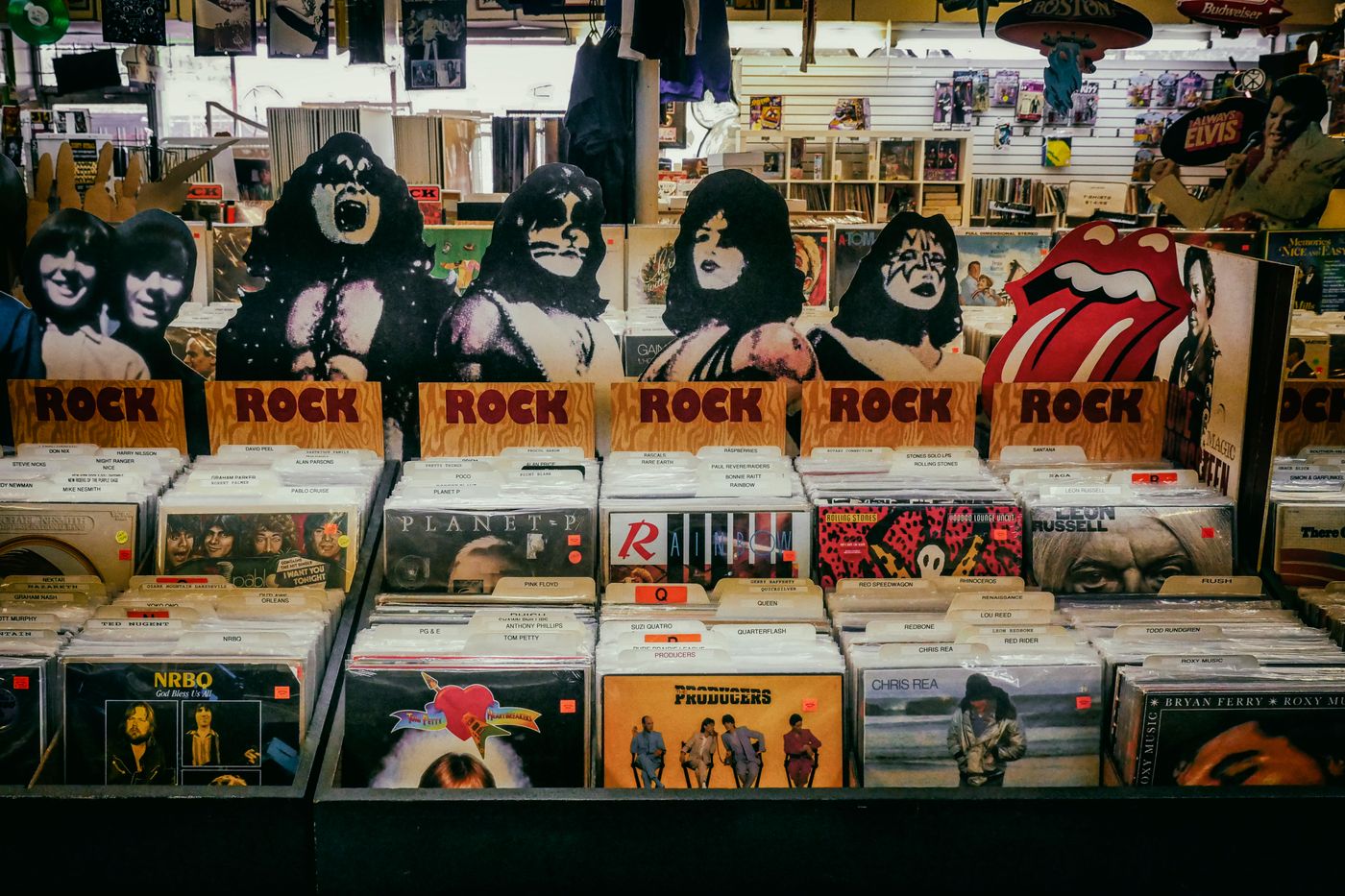
Everything orbits Akmar Pasajı. It's an arcade off the Söğütlüçeşme side of the market, and it has been a subculture landmark since the 1980s — the place where Turkish kids who were into rock, metal and punk came to find records they couldn't hear on the radio. Walk in and the corridor narrows into stalls stacked floor to ceiling: vinyl in one, second-hand books in the next, then comics, then a wall of band tees, badges, patches and gig posters.
It's loud in a good way. One stall is playing thrash, the one across is playing something Anatolian and psychedelic, and a teenager in a Metallica shirt is haggling over a fanzine while his mum waits by the door. Akmar has aged, but nobody has polished it into a tourist set-piece, which is exactly why it still works.
The first time I went in I asked a stallholder for "something Turkish, 70s, weird." He didn't say a word, pulled three records, put one on the turntable, and watched my face. That's Akmar in one gesture.
You'll find the obvious international names — the Pink Floyds and the Bowies, marked up because everyone wants them — but the reason to dig is the Turkish stuff. Anadolu rock, old Anatolian pop, soundtracks, 45s nobody bothered to reissue. Prices swing hard depending on condition and how badly the seller thinks you want it, so flip the sleeve, check the vinyl in the light, and don't be shy about asking to hear it.
How to dig without annoying anyone
- Bring cash. Small notes. Card readers exist but are not the norm at the stalls, and "I'll just run to an ATM" kills the moment.
- Handle records by the edges. Sellers notice, and it changes how they treat you.
- Ask to listen. Most stalls have a turntable behind the counter. A polite "dinleyebilir miyim?" goes a long way.
- Haggle gently. A little back-and-forth is expected; grinding someone down to nothing is not. Round numbers, a small discount, everyone's happy.
The sahaf shelves
Turkey has a long tradition of the sahaf — the second-hand bookseller — and Kadıköy is one of the best places to feel it without trekking to the old book market across the water. The shops range from neat and curated to gloriously chaotic, with paperbacks stacked sideways on top of the upright ones because the shelves gave up years ago.
What surprises a lot of visitors is how much is in English. Among the Turkish spines you'll turn up English-language novels, old Penguin classics, travel guides a decade out of date, and the occasional French or German shelf, all priced for people who actually read them rather than collect them. Call it the used book trade at its least precious: stuff gets read, returned, resold, and read again.
Nobody is curating a wall of first editions here. That's the appeal.
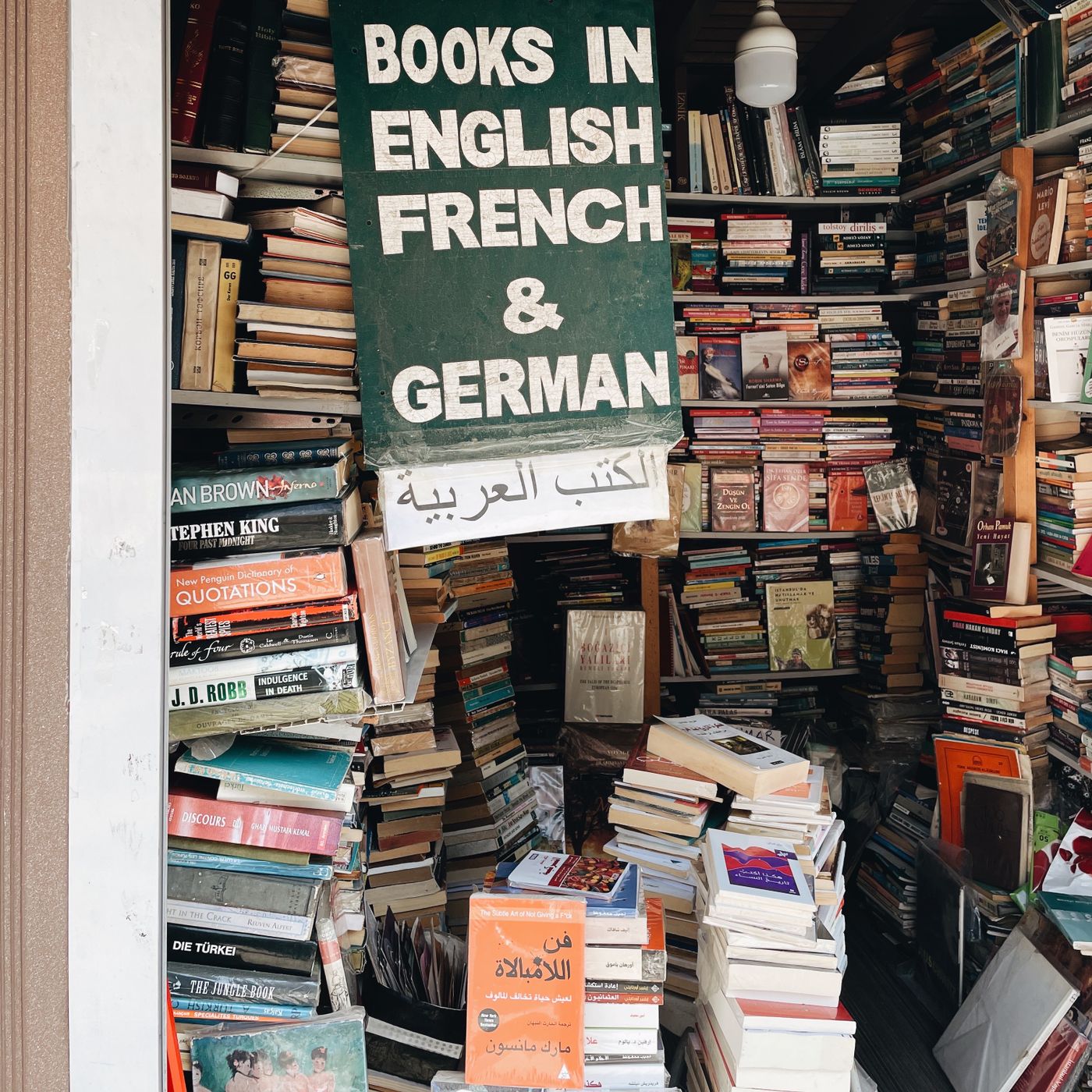
My approach is simple. I pick a shop that looks too full to be organised and I just start at one end. Half the pleasure is the accidents — the inscription on the flyleaf, the bus ticket someone used as a bookmark in 1991, the cover design so ugly it's wonderful. If you have something specific in mind, ask; the owners usually know their stock far better than the chaos suggests, and they'll dig out the shelf you'd never have found.
Vinyl, properly
Beyond Akmar, Kadıköy has a clutch of dedicated record shops that have grown up alongside the global vinyl revival. These are the cleaner, lights-on kind of place: new pressings filed by genre, a decent second-hand section, and staff who care a bit too much about turntable cartridges. They'll talk to you for half an hour if you let them.
The mix here is what I like. New releases sit next to dusty originals, and right beside them you'll usually find bins of cassettes and CDs — formats that never fully died on the Asian side and are quietly having their own little comeback. Tapes especially are cheap, and there's something honest about buying an album for the price of a coffee.
None of this is an accident of geography. Kadıköy and the wider Asian side have deep music-scene roots, and a real share of Turkish rock and indie was bred over here. The record shops aren't a trend that landed last year; they're the retail end of a scene that's been playing in basements and back rooms for decades. You feel that when you flip through the local section and recognise half the bands from posters you passed on the way in.
The back-lane vintage
Then there's the clothing. Wander off the main market drag into the side streets and you'll hit thrift and vintage shops — racks of old denim, leather jackets, faded band tees, the odd genuinely good 70s coat among a lot of optimistic mediocrity. Some of it is curated and priced accordingly. Plenty of it is a proper rummage, which is the fun part.
Quality varies wildly, so try things on and check seams and zips before you hand over money. I've found a jacket I still wear and, on the same rail, a "leather" bag that started peeling on the ferry home. That's vintage shopping anywhere; here it just comes with better coffee within fifty metres.
Make an afternoon of it
The whole thing knits together if you don't rush it. The market lanes, Akmar, the record shops and the thrift streets are all within a short, walkable cluster, and the unhurried mood of Moda sits a few minutes downhill if you need to sit by the sea and look at your spoils. Come mid-afternoon, when the stalls are awake and the light is soft, and plan to do nothing else after.
You will spend more than you meant to. Everyone does. But there are worse ways to lose a Saturday than digging through other people's records and books on the quiet side of a very loud city, and walking back to the ferry with a bag that rattles and a head full of music you'd never heard that morning.